
Avata 2 Guide: Capturing Forests in Extreme Temps
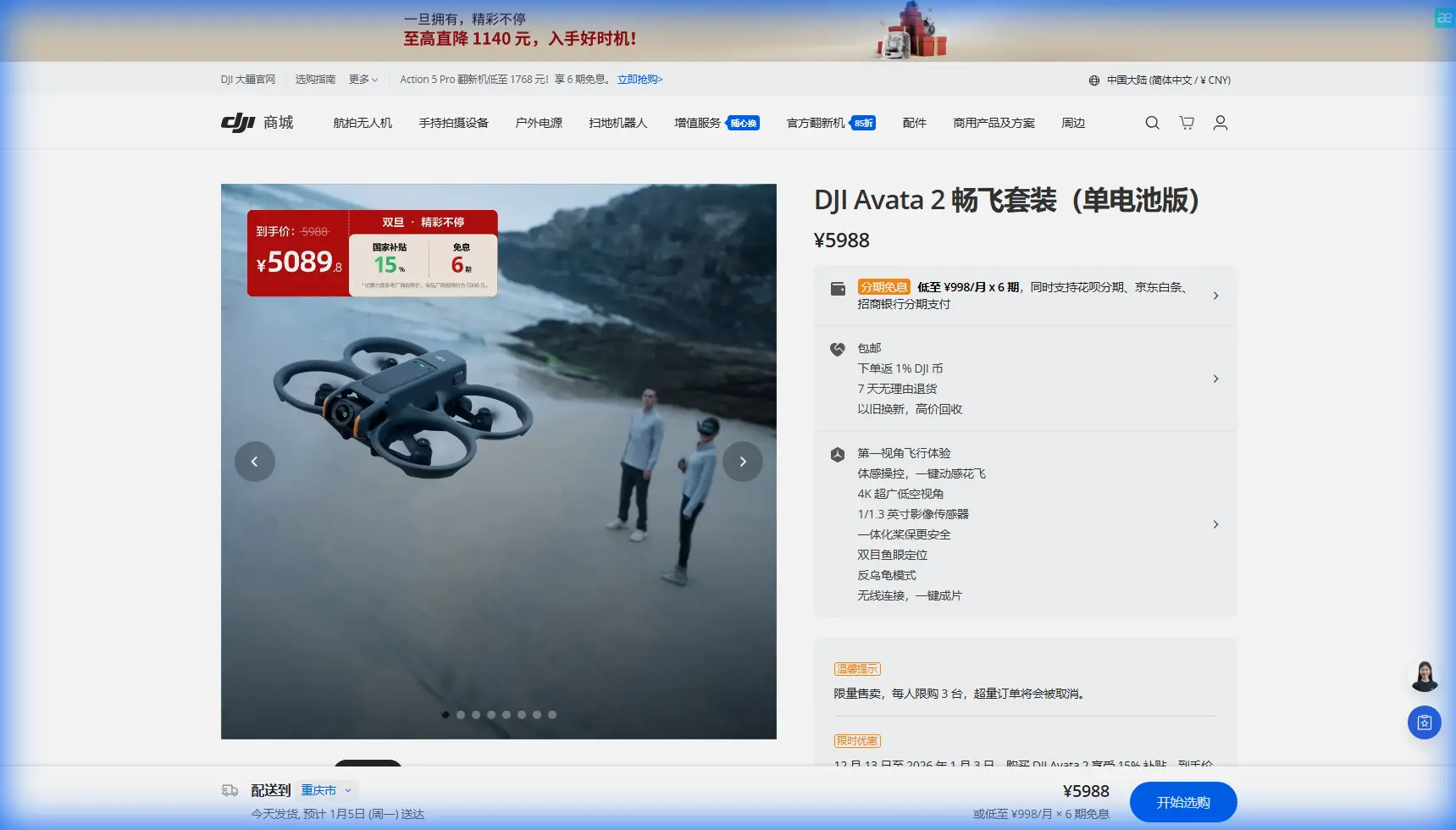
Avata 2 Guide: Capturing Forests in Extreme Temps
META: Master forest photography with the Avata 2 drone in extreme temperatures. Expert tips on altitude, settings, and techniques for stunning woodland footage.
TL;DR
- Optimal flight altitude of 15-30 meters delivers the best forest canopy shots while maintaining GPS signal through dense tree cover
- Battery performance drops 20-30% in temperatures below 0°C, requiring strategic flight planning
- D-Log color profile captures maximum dynamic range in challenging forest lighting conditions
- Pre-flight warming protocols extend flight time by up to 8 minutes in freezing conditions
Why the Avata 2 Excels in Forest Environments
Forest photography presents unique challenges that ground most consumer drones. Dense canopy cover disrupts GPS signals. Rapidly changing light conditions overwhelm automatic exposure systems. Temperature extremes drain batteries faster than pilots anticipate.
The Avata 2 addresses each of these obstacles with purpose-built solutions. Its compact 180mm diagonal wheelbase navigates tight gaps between trees that larger drones cannot attempt. The 1/1.7-inch CMOS sensor handles the extreme contrast between shadowed forest floors and bright canopy breaks.
Expert Insight: Flying at 20-25 meters altitude positions your Avata 2 just above the mid-canopy layer. This sweet spot maintains reliable GPS lock while capturing the dramatic interplay between treetops and filtered sunlight. Going higher sacrifices intimacy; going lower risks signal dropouts.
Understanding Extreme Temperature Performance
Cold Weather Operations
The Avata 2 operates in temperatures as low as -10°C, but real-world forest conditions demand additional preparation. Morning shoots in winter forests often start at -15°C or colder, pushing the drone beyond its rated specifications.
Battery chemistry changes dramatically in cold conditions. The 2420mAh Intelligent Flight Battery delivers its rated 23 minutes of flight time at 25°C. Drop that temperature to -5°C, and expect only 16-18 minutes of usable flight.
Cold weather preparation checklist:
- Store batteries in an insulated bag at 20-25°C until launch
- Run motors at idle for 60 seconds before takeoff
- Keep spare batteries against your body for warmth
- Plan flights in 12-minute segments with battery swaps
- Monitor voltage warnings more aggressively than normal
Hot Weather Considerations
Summer forest shoots present different challenges. Temperatures exceeding 40°C trigger thermal throttling in the Avata 2's processing systems. The dense, humid air beneath forest canopies traps heat, creating microclimates 5-8°C warmer than open areas.
Watch for these warning signs during hot weather operations:
- Increased motor noise indicating thermal stress
- Automatic bitrate reduction in recorded footage
- Shortened transmission range from the Goggles 3
- Accelerated battery drain despite full charge
Mastering Obstacle Avoidance in Dense Forests
The Avata 2's downward vision system provides 30-meter detection range in optimal conditions. Forest environments reduce this significantly. Dappled light confuses sensors. Thin branches fall below detection thresholds. Wet leaves create false readings.
Pro Tip: Disable automatic obstacle avoidance when flying through tight forest gaps. The system's cautious programming causes unnecessary stops and hovering, draining battery life. Manual control with the FPV Remote Controller 3 gives you precise authority over every movement.
Subject Tracking Through Trees
ActiveTrack technology struggles in forests. The algorithm loses subjects behind tree trunks, misidentifies similar-colored objects, and cannot predict paths through complex terrain.
For wildlife tracking in forests, use these manual techniques instead:
- Pre-plan flight paths along known animal trails
- Position yourself downwind to avoid startling subjects
- Use Hyperlapse mode for patient, extended observations
- Record in 4K/60fps to enable smooth slow-motion in post
Technical Specifications for Forest Photography
| Feature | Specification | Forest Application |
|---|---|---|
| Sensor Size | 1/1.7-inch CMOS | Handles 13 stops of dynamic range for canopy contrast |
| Video Resolution | 4K/60fps | Captures fine branch detail at high frame rates |
| Slow Motion | 2.7K/120fps | Reveals wind movement through leaves |
| D-Log Support | 10-bit color | Preserves shadow detail in forest floors |
| Transmission | O4 system, 13km range | Maintains signal through moderate tree cover |
| Wind Resistance | Level 5, 10.7m/s | Stable in gusty conditions above canopy |
| Weight | 377g | Light enough for quick repositioning |
Optimal Camera Settings for Forest Conditions
D-Log Configuration
Standard color profiles crush shadow detail in forests. The contrast between bright sky glimpses and dark understory exceeds what automatic exposure can handle.
Switch to D-Log for maximum flexibility:
- Set ISO to 100-200 for cleanest files
- Use ND8 or ND16 filters to maintain proper shutter speed
- Expose for highlights, recover shadows in post
- Record in 4K/30fps for best color depth
QuickShots in Confined Spaces
Not all QuickShots modes work safely in forests. Rocket and Helix require vertical clearance that dense canopies deny. Circle mode demands horizontal space that tight tree spacing prevents.
Safe QuickShots for forest use:
- Dronie (with reduced distance settings)
- Spotlight (manual control with automated framing)
Avoid Boomerang and Asteroid modes entirely. Their automated flight paths cannot account for branch intrusion.
Common Mistakes to Avoid
Flying too high above the canopy. New pilots often climb to 50+ meters seeking clear GPS signal. This sacrifices the intimate forest perspective that makes woodland footage compelling. Stay between 15-30 meters for best results.
Ignoring humidity effects. Forest air holds moisture that condenses on cold camera lenses. Bring lens wipes and allow the drone to acclimate for 10 minutes before recording.
Trusting automatic white balance. Green canopy light confuses AWB algorithms. Lock white balance manually at 5600K for consistent footage across an entire shoot.
Neglecting propeller inspection. Forest debris accumulates on propellers faster than in open environments. Inspect and clean props between every battery swap.
Underestimating return-to-home complications. The Avata 2's RTH function flies in a straight line. In forests, this path often intersects with trees. Always maintain visual line of sight and manual control authority.
Frequently Asked Questions
Can the Avata 2 fly safely in rain-soaked forests?
The Avata 2 lacks official water resistance ratings. Light mist presents minimal risk, but wet conditions create multiple hazards. Moisture on propellers reduces lift efficiency. Water droplets on the camera lens ruin footage. Humidity entering motor housings causes long-term corrosion. Wait for dry conditions or accept the risks of shortened equipment lifespan.
What transmission range should I expect under dense tree cover?
The O4 transmission system's rated 13km range assumes open air with no obstructions. Dense forest canopy reduces effective range to 500-800 meters depending on foliage density and species. Coniferous forests with needle-like leaves allow better signal penetration than broad-leaf deciduous forests. Always fly within visual range when operating under canopy.
How do I prevent the Avata 2 from overheating during summer forest shoots?
Land every 8-10 minutes during hot weather operations. Position the drone in shade during rest periods. Remove the battery to allow airflow through the battery compartment. Consider early morning or late evening shoots when temperatures drop below 30°C. The Goggles 3 also generate significant heat—remove them between flights to prevent fogging and discomfort.
Final Thoughts on Forest Photography
The Avata 2 transforms forest photography from frustrating to exhilarating. Its compact frame, responsive controls, and capable sensor system handle challenges that defeat larger drones.
Success requires preparation. Check weather forecasts obsessively. Warm batteries before launch. Scout locations on foot before flying. Plan escape routes for every flight path.
The rewards justify the effort. Forest footage captured with the Avata 2 reveals perspectives impossible to achieve any other way—intimate canopy details, dramatic light rays, and the living motion of wind through ancient trees.
Ready for your own Avata 2? Contact our team for expert consultation.