
Avata 2 in Remote Vineyards: A Field Case Study on Low
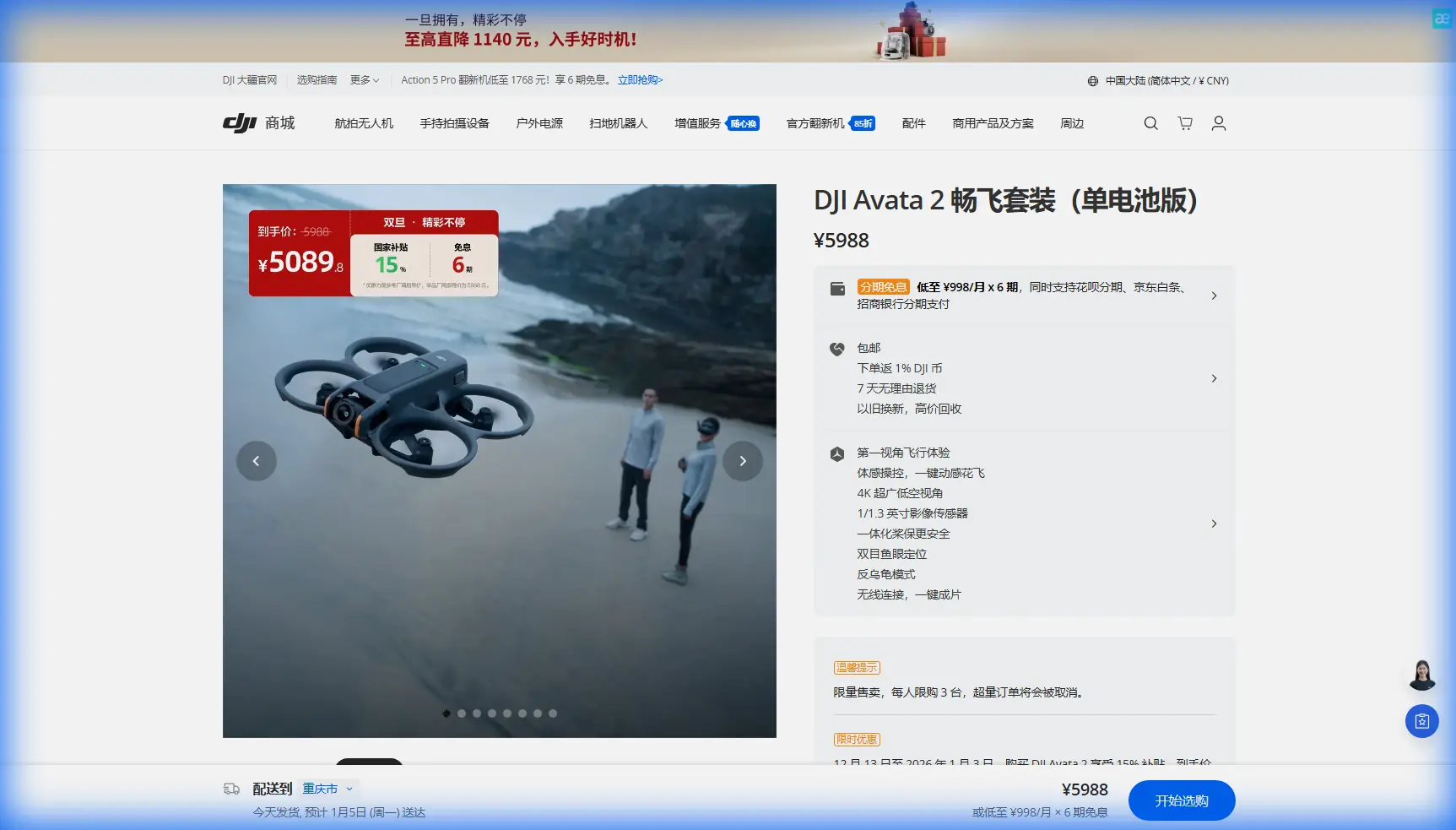
Avata 2 in Remote Vineyards: A Field Case Study on Low-Level Cinematic Flight
META: A practical Avata 2 case study for filming remote vineyards, covering obstacle avoidance, D-Log M, QuickShots, Hyperlapse, and where it outperforms rival FPV-style drones.
Remote vineyard work exposes every weakness in a drone. Not just battery management or signal planning, but the details that usually stay hidden on easier shoots: shifting wind over ridgelines, thin rows with trellis wire, abrupt elevation changes, dusty access roads, and long walking distances between launch points. If a drone is going to earn its place here, it has to do more than look fast on a spec sheet.
That is exactly where the DJI Avata 2 becomes interesting.
I have been looking at it through a very specific lens: not as a general-purpose drone for city travel videos, but as a working tool for creators trying to capture vineyards in remote terrain. In that setting, the Avata 2 sits in a rare middle ground. It brings the immersive, low-slung movement people associate with FPV, yet removes enough of the traditional FPV friction to make the aircraft usable on a real production day. That distinction matters. A lot.
Why vineyards are harder than they look
Vineyards invite a certain kind of shot. You want to skim just above the rows at sunrise, bend around a slope, reveal the valley, maybe pass close to a tractor or track a worker moving through the vines. On paper, that sounds like classic FPV territory. In practice, remote vineyard flying is a risk-management exercise disguised as a beauty shoot.
The obstacles are small, repetitive, and unforgiving. Wires, posts, branches, irrigation hardware, uneven terrain. These are not the broad, obvious hazards a drone pilot spots from 100 meters up. They live close to the flight path. If you are flying low for cinematic texture, that is where your problems start.
This is why obstacle handling on the Avata 2 deserves attention beyond marketing shorthand. It is not simply about whether the drone has “obstacle avoidance.” Operationally, it changes which shots are realistic for a solo creator to attempt. In a vineyard, being able to work with low-altitude environmental awareness gives you a larger margin when descending into rows, rounding blind edges near trellises, or adjusting after a gust pushes the aircraft off line. That does not make the aircraft crash-proof. It does make it more forgiving than a traditional manual FPV rig in exactly the kind of terrain where small misjudgments become expensive.
That is one of the biggest reasons the Avata 2 stands out against many competitor FPV-style options. A pure FPV quad can still be the sharper tool for highly technical acro work in open spaces. But for a creator who needs repeatable cinematic movement in a vineyard, not race-day aggression, the Avata 2 is often the more useful aircraft. It lowers the penalty for flying close to the environment.
The real advantage is not speed. It is repeatability.
People often talk about FPV drones as if the key benefit is energy. Fast dives. Tight turns. Adrenaline. Those things are real, but remote vineyard production usually rewards something else: consistency.
If you are filming a harvest sequence, a tasting terrace reveal, or an estate profile, you may need three or four nearly identical passes from slightly different heights. You may want a smooth ingress through a row, then another take with a slower horizon reveal. You may need one pass in standard color and another designed around a later grade. This is where the Avata 2 has an edge over more demanding FPV platforms.
It is easier to get back to the shot.
That operational significance cannot be overstated. In remote locations, every repeated take costs time, walking, battery, and often sunlight. A drone that lets the pilot reset quickly and fly the same line with confidence is not just easier to use. It is better suited to commercial storytelling.
The Avata 2 supports that style of work through stabilized cinematic movement and intelligent capture tools that reduce workload on site. QuickShots, for example, are often dismissed by experienced operators as beginner features. In vineyards, that is too simplistic. Used selectively, they can produce reliable reveal moves or orbit-style sequences when conditions are changing quickly and you need one clean safety shot before moving to a new launch point. They are not a replacement for custom flight. They are a buffer against losing a scene when time gets thin.
Hyperlapse brings similar value, especially in remote wine regions where weather and light transform the landscape minute by minute. If morning fog lifts across the rows or late sun begins to cut through dust on a ridge road, a well-planned Hyperlapse sequence can add scale and mood that standard low-altitude FPV passes cannot deliver. The point is not to use the feature because it exists. The point is that the Avata 2 packages multiple visual languages into one field tool, which is a major advantage when you cannot haul a full drone kit deep into remote terrain.
A practical vineyard workflow with Avata 2
Let’s ground this in a realistic use case.
Imagine an estate spread across sloped terrain with no convenient power access, patchy road access, and several visually distinct zones: entry gate, processing building, hillside rows, and a scenic overlook. The brief is simple enough: create a short cinematic piece showing place, movement, and atmosphere. But the route between good launch points is long, and the light window is narrow.
This is where the Avata 2 changes the pace of the day.
I would typically break the shoot into three categories.
First, low-row traversal shots. These are the signature moves: flying along the vine lines at a height that lets the viewer feel the geometry of the plantation. Here, obstacle awareness matters most. The practical gain is not bravado. It is being able to maintain a tighter, more immersive line without flying like every mistake is terminal.
Second, transition shots between terrain layers. A remote vineyard often has dramatic elevation shifts. The best sequences are rarely isolated. They begin close to texture and open into geography. The Avata 2 is well suited to this because it can move from intimate low flight into broader reveals without the heavy setup burden of a manually tuned FPV rig. That flexibility helps solo creators cover more visual ground per battery.
Third, atmosphere and time-compression. This is where Hyperlapse earns its place. A vineyard is a pattern-driven landscape. Rows, shadows, clouds, vehicle movement, workers crossing lines of vines. Compressing those elements over time can give the final edit a sense of place that pure action flying does not achieve on its own.
If I know the final piece will be graded aggressively, D-Log M becomes one of the most practical features on the aircraft. That is not an abstract codec discussion. It has direct value in vineyards because these environments routinely force difficult exposure choices: bright sky over pale dust roads, dark green leaves against reflective morning light, shadowed rows opening into sunlit hillsides. D-Log M preserves more room to shape those transitions in post, especially when trying to hold detail in both the landscape and the sky during reveal shots. For creators producing branded estate films or tourism content, that grading latitude can be the difference between “good enough” and footage that feels properly finished.
Where ActiveTrack and subject tracking actually help
Vineyard storytelling is not always empty landscape. Some of the strongest sequences involve a person moving through the environment: a vineyard manager checking rows, a utility vehicle climbing a track, a worker carrying bins at harvest.
That makes subject tracking relevant, but only when used with discipline.
In a remote agricultural setting, subject tracking and ActiveTrack are useful because they reduce one layer of pilot workload during moving shots. If the goal is to follow a vehicle on a dirt track while preserving framing through slight bends, intelligent tracking helps the pilot focus more attention on terrain and spacing. That is operationally meaningful. It can make the shot safer and smoother, especially when the subject path is predictable but the landscape around it is not.
The caution, of course, is that vineyards are cluttered environments. Tracking should support the shot, not tempt the operator into pushing through gaps without room to recover. The Avata 2’s value here is that it gives creators a more accessible entry into this style of flying than many rival FPV drones, which often assume a much higher manual skill floor from the first minute in the air.
That accessibility is one reason the aircraft fits the vineyard brief so well. It lets more creators pursue dynamic motion shots that would otherwise be reserved for specialist FPV pilots, while still delivering footage with genuine energy.
Where it beats rivals for this kind of project
There are stronger drones in isolated categories. Some camera drones offer longer endurance and bigger sensors. Some custom FPV setups offer more raw agility and a more tuned flight character. But remote vineyard production is not won by one headline metric. It is won by how many usable shots you can gather before conditions, fatigue, or logistics cut your day in half.
This is where the Avata 2 excels.
Against competitor FPV-style platforms, it offers a more complete production package for creators who need immersive flight without building an entire workflow around manual FPV complexity. You are not just comparing top speed or acro capability. You are comparing setup friction, confidence near obstacles, capture versatility, and the likelihood of coming home with a clean sequence instead of a handful of risky attempts.
That distinction becomes sharper in remote environments. If a competitor system demands more tuning, more recovery time, more open space, or a more specialized pilot profile, it may be the superior machine in theory and the weaker choice on location.
The Avata 2 is rarely the most extreme answer. It is often the most effective one.
What I would watch before launching
No drone erases bad planning. In vineyard work, I would still assess three things before trusting any intelligent feature set.
First, wire density. Trellis systems can be visually deceptive, especially under angled light. A path that looks open from one launch point may close fast once you drop into the rows.
Second, wind behavior at elevation transitions. Hillside vineyards create local turbulence that can feel mild at takeoff and rough near exposed ridges or channel-like rows.
Third, route discipline. Remote locations encourage experimentation because the scenery is so good. That can lead to improvisation beyond the safest corridor. The best Avata 2 flights in vineyards usually come from pre-visualized lines, not spontaneous heroics.
If a crew wants a second set of eyes on route planning or feature selection for this kind of terrain, I usually point them to a quick project chat rather than guesswork in the field: message the flight planning team.
Final take
The Avata 2 makes the most sense in remote vineyards when the assignment calls for movement with texture, not just aerial coverage. Its obstacle handling expands what is realistically filmable at low altitude. D-Log M gives editors more control over harsh vineyard contrast. QuickShots and Hyperlapse are not novelty extras here; they are time-saving tools that broaden coverage when access is limited. And subject tracking can support dynamic land-based storytelling when used with respect for the environment.
That combination is why the aircraft deserves serious attention from creators working in wine country, estate branding, tourism films, and agricultural storytelling.
Not because it is the loudest drone in its category, and not because it replaces every other platform.
Because in the field conditions that matter most, it solves more real problems than many of its rivals.
Ready for your own Avata 2? Contact our team for expert consultation.