
Avata 2 for Coastal Field Work: A Practical How
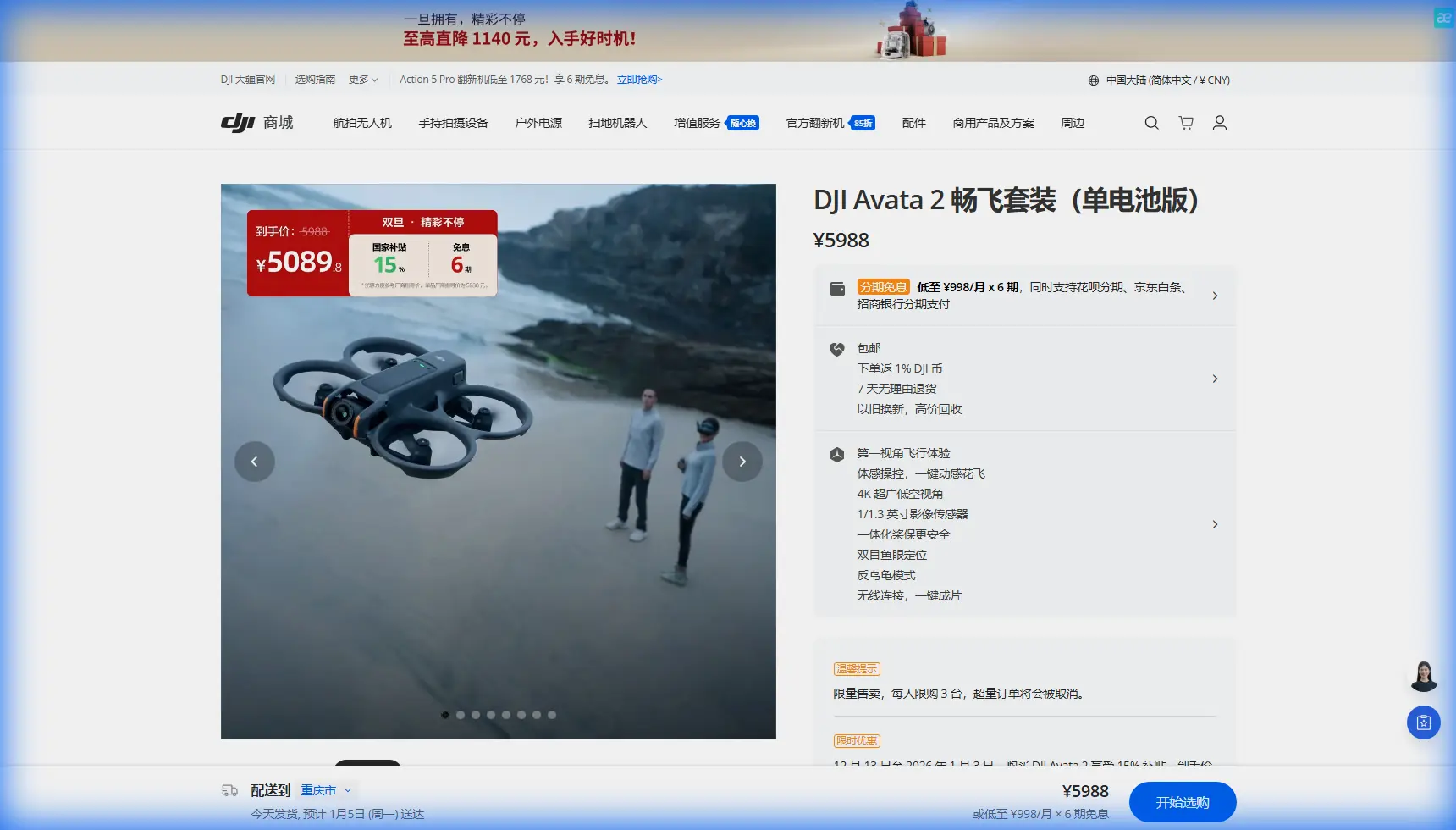
Avata 2 for Coastal Field Work: A Practical How-To for Capturing Spray Operations Safely and Clearly
META: Learn how to use DJI Avata 2 around coastal field spraying work for training, documentation, and visual inspection, with practical tips on obstacle avoidance, D-Log, QuickShots, and wind-aware flying.
Coastal agriculture looks simple from a distance. Flat fields, open sky, long rows. In practice, it is one of the harder places to fly well. Wind shifts quickly. Salt hangs in the air. Light bounces off wet ground and irrigation channels. If you are trying to document spraying work, train operators, or capture useful visuals for farm reporting, the drone matters less than how well it handles those variables.
That is where the Avata 2 becomes interesting.
I am not talking about it as a spray platform. It is not that. For field spraying in coastal areas, the Avata 2 makes sense as a support aircraft: a compact FPV drone for documenting operations, checking field access routes, creating training footage, and capturing close, immersive passes that a conventional camera drone often struggles to deliver. Used properly, it gives farm managers, agronomy teams, and media staff a way to show what is happening on the ground without planting a person in the middle of active operations.
The key is knowing what the Avata 2 does well, where it beats more traditional camera drones, and where you need discipline.
Start with the right job description
If your goal is to spray fields, use an agricultural drone built for liquid payloads, flow control, and route automation. If your goal is to show, review, or analyze spraying activity in coastal farmland, the Avata 2 has a real place in the workflow.
That distinction matters operationally.
The Avata 2 is strongest when you need:
- low-altitude visual passes along crop edges
- immersive footage for staff training
- close-in views around windbreaks, irrigation hardware, sheds, and access lanes
- dynamic records of machine movement before, during, or after a spray session
- visual storytelling for growers, cooperatives, or service providers
Its advantage over many competitors is not payload or endurance. It is control, perspective, and confidence in tighter spaces. A lot of standard camera drones feel best when they have room. The Avata 2 is more comfortable working near structures and field margins, especially when a pilot wants forward motion with a stronger sense of spatial awareness.
Why coastal fields change the flying equation
Coastal sites are rough on both aircraft and footage. You are dealing with a combination of crosswinds, haze, salt exposure, and reflective surfaces. Spray operations add their own complications: moving equipment, drifting droplets, wet foliage, and narrow windows of acceptable weather.
This is where two Avata 2-related details matter more than they might on paper.
1. Obstacle awareness is not just a convenience
Readers often treat obstacle avoidance as a beginner feature. In real agricultural support flying, it is a margin-of-error feature.
Around coastal fields, the hazards are rarely dramatic. They are subtle and easy to miss:
- guy wires near pumps
- low branches used as wind shelter
- poles at field entrances
- netting, fencing, and trellis segments
- uneven edges where roads meet drainage channels
When documenting spray work, the pilot’s attention can drift toward the tractor, rig, or field pattern. That is exactly when obstacle sensing and cautious route planning matter. Avata 2’s obstacle awareness gives you a more forgiving platform for low, cinematic support shots than many older FPV-style systems that rely almost entirely on pilot reflexes.
Operational significance: this reduces the chance that a training or documentation flight turns into an incident near working equipment or crop infrastructure. In a commercial farm setting, that matters more than flashy footage.
2. D-Log is especially useful in bright coastal conditions
Coastal farmland often gives you ugly contrast. Bright sky. Dark machinery. Reflective wet patches. Deep shadows under trees or utility structures. If you are producing footage for agronomy review, client reporting, or marketing, standard color profiles can clip highlights fast.
D-Log gives you more latitude in post-processing, which means more recoverable detail in the bright sky and more usable information in shaded field edges. That is not just a filmmaker perk. It changes whether your footage can actually communicate something useful.
Operational significance: when reviewing how spray vehicles moved through a plot or how field conditions looked at a particular hour, retaining tonal detail helps. A flatter profile gives editors and analysts more room to balance glare-heavy coastal scenes without crushing the image.
A practical pre-flight routine for spray-day support work
If I were setting up an Avata 2 for a coastal field documentation job, I would not treat it like a casual recreational session. I would build the flight around the worksite.
Check the purpose first
Pick one of these before takeoff:
- Training footage
- Field access inspection
- Operational documentation
- Promotional visuals
- Post-operation review
Trying to get all five in one battery tends to produce mediocre results. The Avata 2 performs best when the pilot knows the flight path, camera intent, and safe stand-off distance before launch.
Evaluate wind at field level, not just forecast level
Coastal forecasts can be misleading because tree lines, embankments, and open rows create local gust patterns. Walk the launch zone. Watch grass movement. Look at spray drift indicators if the operation is active. If the field team is delaying spraying because conditions are marginal, your drone plan should become more conservative too.
Stay outside active spray zones
This should be obvious, but it is often ignored when people chase dramatic footage. Keep the Avata 2 away from the direct chemical plume or mist path. Even if the drone can physically fly there, contamination risk and lens degradation are not worth it. Support footage should document the process, not interfere with it.
Plan an exit route over clean ground
Salt air and agricultural residue are a bad combination. If anything feels off in flight, you want a clear route back over open, dry terrain rather than over irrigation channels, vehicles, or crop canopy.
How to use Avata 2 features intelligently in the field
Feature lists are easy to recite. What matters is how they behave in a real farming environment.
Use ActiveTrack and subject tracking selectively
Subject tracking sounds ideal for following a spray vehicle. Sometimes it is. Sometimes it is a trap.
In open sections of a field with predictable movement, tracking can help produce consistent training footage without constant manual correction. But in coastal farmland, vehicles may disappear behind shelterbelts, pass reflective water, or move alongside structures that confuse visual separation.
The smarter approach is to use subject tracking only when the route is clean and visibility is stable. For tighter sections, switch back to deliberate manual control. The Avata 2 shines when the pilot remains actively involved rather than outsourcing every movement to automation.
Against competing drones in the small cinematic category, this balance is one of the model’s strengths. Some alternatives either feel too automated to be precise in close field margins or too manual to be forgiving for mixed-experience operators. Avata 2 sits in the middle in a useful way.
QuickShots are best for context, not core documentation
QuickShots can be useful at the beginning or end of a field session. A short automated reveal of the coastline, field blocks, access road, and machinery staging area can establish context fast.
But do not rely on QuickShots for the actual spray-operation record. Automated cinematic moves are designed for visual appeal, not procedural clarity. For operational review, a steady pass parallel to the machine or a controlled orbit around staging equipment is usually more valuable.
The distinction matters if your footage needs to answer practical questions later:
- Was the field entry clear?
- How close was equipment to a drainage edge?
- What was the wind doing around the tree line?
- How wet did the ground surface appear?
Pretty footage is fine. Useful footage is better.
Hyperlapse works well for setup and weather change
Hyperlapse is underused in agricultural support content. In a coastal environment, it can show a lot in very little time: cloud build-up, crew preparation, vehicle movement, changing light, and the pace of a spray window.
If you are documenting operations for farm owners or service contractors, a short hyperlapse from a safe, static position can reveal how quickly conditions shifted. That becomes a stronger management tool than another low pass over the same piece of ground.
Camera setup tips for harsh coastal light
The Avata 2’s output can look excellent, but coastal field work punishes lazy exposure choices.
Shoot D-Log when the light is harsh
If the sky is bright and the ground has mixed texture, D-Log gives you a better starting point for grading.
Protect highlights first
Once cloud detail or reflective water is blown out, it is gone. Slightly darker footage is easier to recover than clipped footage.
Keep motion readable
For training and documentation, readability matters more than dramatic blur. You want to see wheel paths, spray boom movement, and row spacing clearly.
Clean the lens often
Salt haze, airborne dust, and moisture can soften footage faster than many pilots realize. A quick lens check between batteries saves a lot of disappointment later.
The best shot sequence for a coastal spraying workflow
If you need a repeatable template, this is the one I recommend.
1. Establish the site
Take a high, safe pass showing:
- coastline direction
- field boundaries
- access roads
- water channels
- equipment staging point
2. Capture entry movement
Film the spray vehicle approaching or entering the working block. Keep lateral separation and avoid crossing directly over active machinery.
3. Record one parallel pass
A steady side-on run gives the best training value. It shows speed, terrain, spacing, and operator behavior in one clip.
4. Get a margin shot
Fly along the edge of the field near drains, roads, or windbreaks to show environmental context.
5. Finish with a context move
This is where QuickShots or a gentle pull-away move can work well, especially if the footage is for reporting or presentation.
Where Avata 2 clearly excels
For this kind of work, Avata 2 stands out less because of any single spec and more because of the package. It gives you immersive FPV-style movement with a more practical safety net than many traditional FPV rigs. That is the real advantage.
Compared with larger camera drones, it is often more comfortable near field edges and around infrastructure. Compared with stripped-down FPV alternatives, it is generally easier to integrate into commercial documentation workflows where consistency matters. For a photographer or farm media operator, that combination is powerful.
The model also fits crews that need one aircraft to do several support jobs in a day: training footage in the morning, field inspection visuals at noon, and edited client-facing content later. Features like D-Log, QuickShots, and tracking modes are not there to impress. They let one compact platform produce material for different departments without changing aircraft.
Post-flight care matters more near the sea
A final point that gets overlooked: coastal flying is maintenance-heavy. Salt exposure is cumulative. Even if the drone never flies through spray mist, humid sea air and agricultural dust create a residue that should not sit on the aircraft.
After the session:
- inspect ducts, frame, and camera area
- wipe exterior surfaces carefully
- check for moisture or residue around openings
- review props for chips from grit or debris
- back up footage immediately and label by field block and time
That housekeeping step is part of the job, not an extra.
A better way to think about Avata 2 in agriculture
The Avata 2 is not the aircraft that does the spraying. It is the aircraft that helps people understand the spraying operation better.
That can mean safer staff training. Better client communication. Clearer visual records. More engaging reporting from difficult terrain. In coastal fields, where wind, light, and landscape can work against you, those gains are not cosmetic. They improve how agricultural work is seen and managed.
If you are building a visual workflow around farm operations and want help choosing the right setup for your field conditions, you can message a drone specialist here.
Ready for your own Avata 2? Contact our team for expert consultation.